
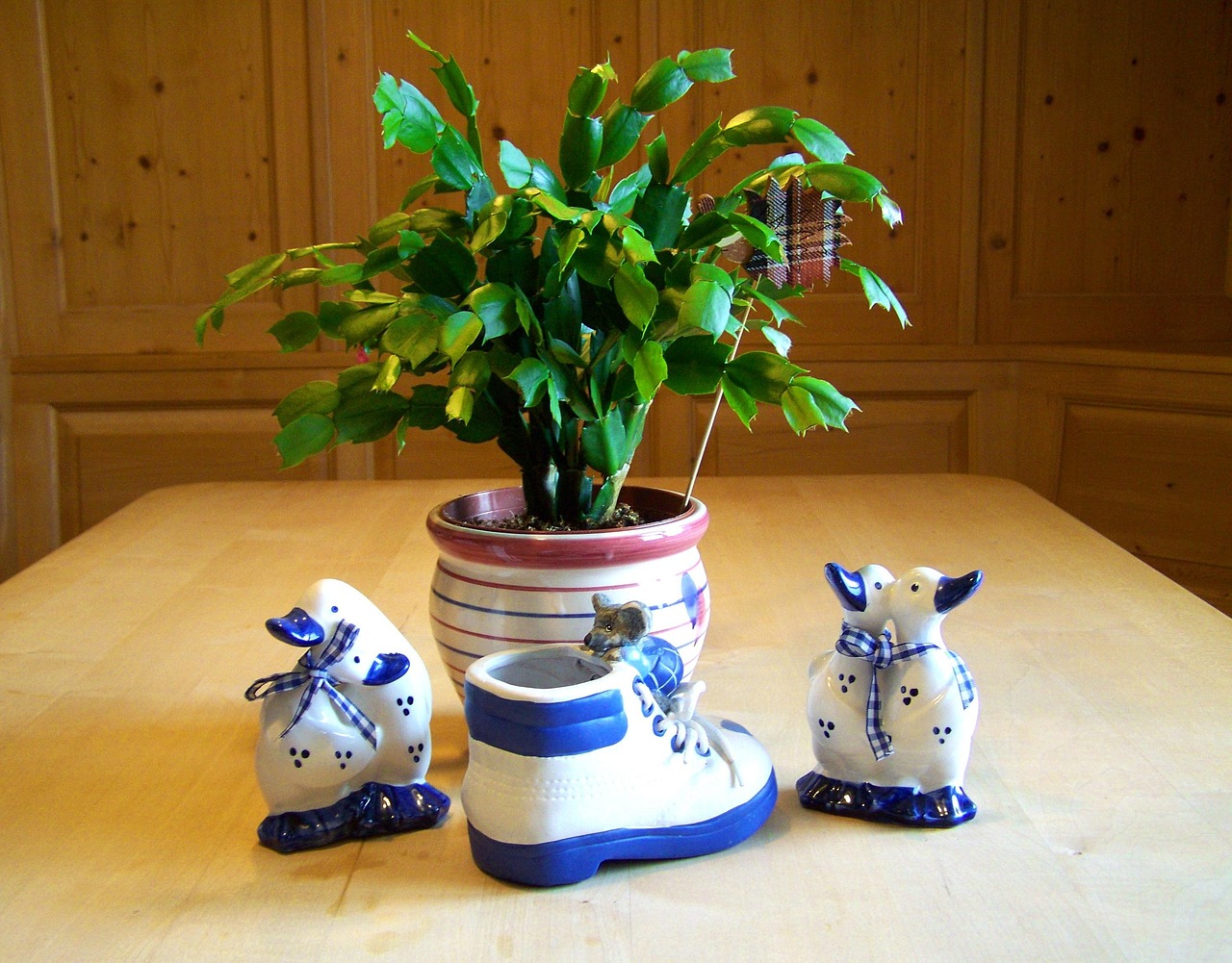
A Christmas cactus covered in bright pink, red, white, purple, or coral flowers can become one of the most beautiful houseplants of the holiday season. So when December gets closer and your plant is still sitting there with healthy green stems but absolutely no flower buds, it can be frustrating.
You may start wondering, why is my Christmas cactus not blooming?
The good news is that a Christmas cactus usually refuses to flower for a reason, and most of those reasons are surprisingly easy to correct. Unlike many ordinary houseplants, Christmas cacti depend on specific changes in light, temperature, watering, and seasonal care before they begin forming buds.
A plant may look perfectly healthy yet still fail to bloom because it is receiving too much evening light, staying too warm at night, getting too much fertilizer, or simply never experiencing the seasonal conditions that tell it winter is approaching.
If your Christmas cactus has skipped its annual flower show, here are seven of the most common reasons it happens and what you can do to encourage those colorful blooms to return.
1. Your Christmas Cactus Is Getting Too Much Light at Night
One of the most important factors affecting Christmas cactus blooming is something many plant owners overlook: darkness.
Christmas cacti are short-day plants. This means flower bud development is encouraged when the plant experiences longer periods of uninterrupted darkness.
During fall, shorter days naturally help signal to the plant that it is time to prepare for flowering. However, indoor lighting can interfere with that natural cycle.
A Christmas cactus sitting in a brightly lit living room may receive sunlight during the day and artificial light from lamps, televisions, or overhead fixtures late into the evening.
To the plant, that extra light can make the days seem longer than they actually are.
How Much Darkness Does a Christmas Cactus Need?
For reliable bud production, aim to give your plant approximately 12 to 14 hours of darkness each night for several weeks during fall.
The darkness should be as uninterrupted as possible.
You can:
- Place the plant in a naturally dark room at night.
- Move it to a spare bedroom where lights are rarely used.
- Keep it away from bright lamps and illuminated windows.
- Cover the plant carefully in the evening if necessary.
During the day, return it to a location with bright, indirect light.
A consistent day-and-night routine can make a dramatic difference in bud production.
2. The Temperature Is Too Warm
Temperature is another major trigger for Christmas cactus flowers.
Although these plants are commonly grown indoors, they naturally respond to cooler autumn temperatures.
If your home stays warm both day and night throughout fall, your Christmas cactus may never receive the seasonal signal it needs to produce buds.
Cooler nighttime temperatures are especially helpful.
What Temperature Helps a Christmas Cactus Bloom?
Temperatures around 50°F to 60°F at night can encourage flower bud formation.
You do not need to make your entire home cold. Instead, try moving the plant to a cooler room, enclosed porch, or another bright location that naturally becomes cooler in the evening.
Avoid exposing the plant to freezing temperatures.
Christmas cacti are tropical forest plants, not desert cacti, and frost can seriously damage them.
A cool room combined with longer nights often provides the strongest signal that it is time for the plant to flower.
3. You Are Watering Too Much
Christmas cacti like moisture more than traditional desert cacti, but they still dislike constantly wet soil.
Overwatering can create several problems.
Waterlogged roots may struggle to absorb oxygen, growth may become weak, and the plant may devote its energy to surviving instead of forming flowers.
If the soil remains soggy for long periods, root rot can eventually develop.
How Often Should You Water a Christmas Cactus?
Instead of following a strict watering calendar, check the soil first.
Allow the upper portion of the potting mix to become slightly dry before watering again.
When watering:
- Water thoroughly until excess moisture drains from the bottom.
- Empty any water that collects in the saucer.
- Allow the soil to partially dry before watering again.
During fall, slightly reducing watering can also help encourage the plant to enter its flowering cycle.
However, never allow the plant to remain bone-dry for extended periods.
What Does an Overwatered Christmas Cactus Look Like?
Possible signs include:
- Limp or soft stems
- Yellowing segments
- Constantly wet soil
- Weak growth
- Stem sections dropping
- Dark or damaged roots
If you suspect overwatering, check the drainage holes and allow the potting mix to dry slightly before watering again.
4. Your Christmas Cactus Is Receiving Too Much Fertilizer
Fertilizer helps Christmas cacti produce strong growth, but more fertilizer does not necessarily mean more flowers.
In fact, excessive feeding can encourage the opposite.
A heavily fertilized Christmas cactus may produce plenty of lush green growth while forming very few flower buds.
This happens because high levels of nutrients, particularly nitrogen, encourage vegetative growth.
Your plant becomes busy producing stems instead of flowers.
When Should You Fertilize a Christmas Cactus?
Feed the plant during its active growing season, generally from spring through summer.
A balanced houseplant fertilizer diluted according to label directions is usually sufficient.
As fall approaches, reduce or stop fertilizing so the plant can shift its energy away from new growth and toward flower production.
If you have been feeding your Christmas cactus every week or using strong fertilizer concentrations, cut back.
Sometimes doing less is exactly what the plant needs.
5. The Plant Was Repotted Into a Pot That Is Too Large
Repotting seems like something that should improve flowering, but Christmas cacti often bloom better when their roots are slightly snug.
A plant moved into a much larger container may spend considerable energy expanding its root system and producing new growth rather than flowers.
Large pots can also hold excess moisture around the roots, increasing the risk of overwatering.
Do Christmas Cacti Like Being Root-Bound?
They generally tolerate being somewhat root-bound and often flower successfully in containers that look surprisingly small compared with the size of the plant.
This does not mean you should leave the plant trapped in severely compacted soil forever.
It simply means frequent repotting is unnecessary.
Christmas cacti often need repotting only every few years.
When moving the plant into a new container, choose one that is only slightly larger than the previous pot.
When Is the Best Time to Repot a Christmas Cactus?
Repotting is usually best done after flowering has finished, rather than immediately before the expected blooming season.
Disturbing the roots while buds are forming can create unnecessary stress.
6. Your Christmas Cactus Is Stressed
A Christmas cactus can tolerate normal household conditions quite well, but sudden changes may interfere with blooming.
Plants respond to their environment, and dramatic changes during bud development can cause problems.
Common sources of stress include:
- Moving the plant repeatedly
- Sudden temperature changes
- Cold drafts
- Hot air from heating vents
- Extremely dry indoor air
- Irregular watering
- Repotting shortly before flowering
Christmas cactus buds can be surprisingly sensitive.
A plant covered with developing buds may even drop some of them after being moved from one room to another.
Where Should You Place a Christmas Cactus?
Choose a location with:
- Bright, indirect daylight
- Protection from strong afternoon sun
- Stable temperatures
- No hot or cold drafts
- Moderate humidity
Once flower buds appear, try to leave the plant in the same location.
Consistency becomes especially important during this stage.
Even rotating the pot frequently may change how the plant receives light.
7. Your Plant May Not Be Ready to Bloom Yet
Sometimes nothing is actually wrong with your Christmas cactus.
The plant may simply need more time.
Young plants often concentrate on establishing roots and producing new stem segments before they begin flowering heavily.
Even mature plants can bloom later than expected depending on their environment.
Another possibility is that your plant is not technically a Christmas cactus.
Several closely related holiday cacti are commonly sold under the same name.
For example, Thanksgiving cactus often blooms earlier in the season, while true Christmas cactus may flower somewhat later.
That difference can make a perfectly healthy plant appear “late.”
How Can You Tell Holiday Cacti Apart?
Look closely at the edges of the flattened stem segments.
Thanksgiving cactus usually has pointed, claw-like edges.
Christmas cactus generally has smoother, more rounded edges.
Their care requirements are similar, but their natural flowering times can differ slightly.
So before worrying that your plant has missed Christmas, give it a little more time.
How Can You Encourage a Christmas Cactus to Bloom?
If your plant looks healthy but refuses to flower, recreate the conditions it would naturally experience as autumn progresses.
About six to eight weeks before you want flowers, begin changing its routine.
Try This Simple Blooming Routine
Give it long nights.
Provide roughly 12 to 14 hours of darkness each night.
Keep nights cooler.
Temperatures around 50°F to 60°F can help stimulate flower formation.
Reduce watering slightly.
Allow the soil to become somewhat drier between waterings without letting the plant wilt severely.
Stop fertilizing.
Avoid encouraging unnecessary new growth during the bud-forming period.
Provide bright daytime light.
Bright, indirect sunlight helps keep the plant healthy while buds develop.
With consistent conditions, small buds should eventually begin appearing near the ends of the stem segments.
What Should You Do Once Flower Buds Appear?
Once you notice buds forming, your care routine should become a little more stable.
Avoid suddenly changing the plant’s location or environment.
Resume moderate watering so the plant does not become excessively dry while supporting its flowers.
Keep it away from heating vents, fireplaces, cold windows, and strong drafts.
During flowering, slightly cooler indoor conditions may also help blossoms remain attractive for longer.
Most importantly, resist the temptation to constantly move the plant around trying to give it the “perfect” conditions.
At this stage, stability is usually more valuable than perfection.
Can a Christmas Cactus Bloom More Than Once a Year?
Yes.
A healthy Christmas cactus may occasionally produce another smaller round of flowers later in winter or early spring.
The plant may rebloom if it experiences another period of cooler temperatures and longer nights.
However, do not worry if yours flowers only once each year.
A single strong annual bloom is completely normal.
Why Does My Christmas Cactus Have Buds but They Keep Falling Off?
Bud drop is different from failure to produce buds.
If buds appear and then fall before opening, environmental stress is often responsible.
Possible causes include:
- Sudden changes in temperature
- Moving the plant
- Very dry soil
- Excessive watering
- Low humidity
- Drafts
- Abrupt changes in light
Once budding begins, try to keep conditions steady until flowering is complete.
Frequently Asked Questions
Why Is My Christmas Cactus Growing but Not Blooming?
Healthy green growth without flowers often means the plant is receiving conditions that favor vegetative growth rather than flower production.
Too much fertilizer, warm nighttime temperatures, or insufficient darkness during fall are common causes.
Does a Christmas Cactus Need Darkness to Bloom?
Yes. Longer periods of darkness help trigger flower bud development.
Providing approximately 12 to 14 hours of darkness each night for several weeks can encourage blooming.
Should I Put My Christmas Cactus in a Closet at Night?
You can, but it is not essential.
A naturally dark room usually works just as well.
If you use a closet, make sure the plant still receives bright indirect light during the daytime and is not forgotten inside for several days.
Should I Water My Christmas Cactus While It Is Budding?
Yes.
Continue watering, but avoid keeping the soil constantly saturated.
Allow the upper layer of soil to dry slightly before watering again.
Should I Fertilize My Christmas Cactus While It Is Blooming?
Usually, fertilizing during flowering is unnecessary.
Most feeding should take place during the spring and summer growing period.
Final Thoughts
If you have been asking, “Why is my Christmas cactus not blooming?”, the answer is usually connected to its fall environment rather than poor plant health.
Too much nighttime light, warm temperatures, excessive watering, heavy fertilizing, frequent repotting, environmental stress, or simple timing can all delay flowering.
Fortunately, Christmas cacti are forgiving plants.
Give yours bright indirect light during the day, longer uninterrupted nights in fall, cooler evening temperatures, moderate watering, and a break from fertilizer before blooming season.
Then give it time.
Those tiny buds may seem slow to appear, but when they finally open into a cascade of colorful flowers during the darkest part of the year, the wait becomes well worth it.