
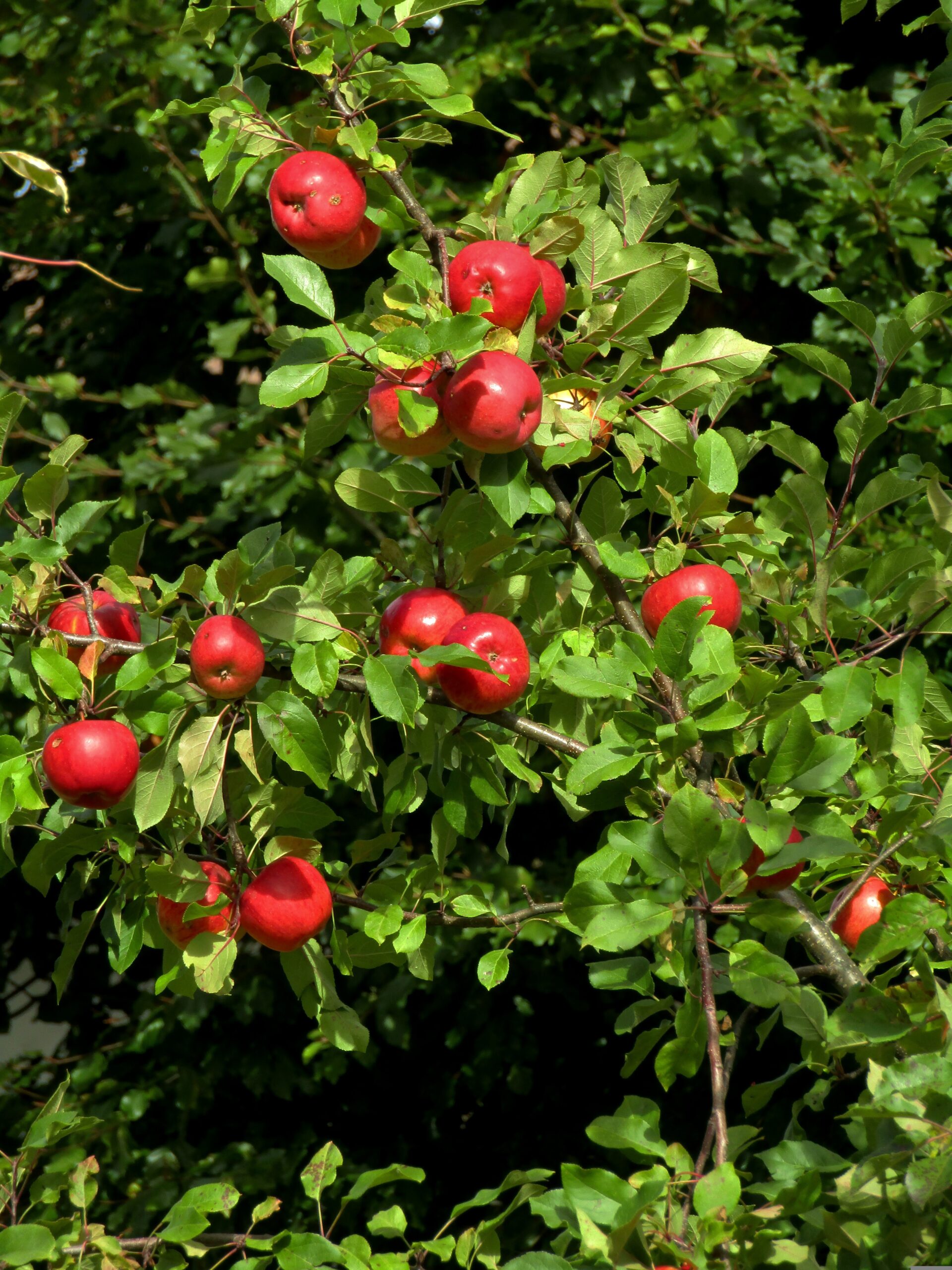
Growing an apple tree is rewarding, but simply planting one and waiting for fruit is rarely enough to get the best harvest. Over time, apple trees can become crowded with crossing branches, weak shoots, dead wood, and dense growth that prevents sunlight from reaching the center of the canopy. That is where pruning becomes important.
Learning when and how to prune apple trees for bigger, better fruit can make a noticeable difference in the health, shape, and productivity of your tree. Proper pruning encourages strong branches, improves air circulation, allows more sunlight to reach developing apples, and helps the tree put its energy into producing quality fruit rather than excessive leafy growth.
Pruning may look intimidating the first time you stand beneath an overgrown apple tree with a pair of pruning shears. Fortunately, you do not need to remove half the tree or understand complicated techniques. A few well-placed cuts at the right time can gradually create a stronger and more productive apple tree.
Why Should You Prune Apple Trees?
Apple trees naturally produce many branches and shoots. Without occasional pruning, the canopy can become extremely dense.
A crowded tree often has poor airflow and limited sunlight inside its branches. Fruit growing in heavily shaded areas may remain smaller, ripen unevenly, or develop less color.
Regular pruning helps create an open structure where sunlight and fresh air can move through the canopy.
Pruning can also help:
- Remove dead, broken, or diseased branches
- Encourage healthy new growth
- Reduce overcrowding
- Improve fruit size and quality
- Make harvesting easier
- Maintain a manageable tree height
- Develop stronger fruit-bearing branches
- Reduce branches rubbing against one another
- Improve sunlight penetration
- Keep the tree balanced and attractive
The goal is not simply to make an apple tree smaller. Good pruning creates a structure that allows the tree to use its energy more efficiently.
When Is the Best Time to Prune Apple Trees?
Timing plays a major role in how an apple tree responds to pruning.
For most established apple trees, the best time for major pruning is during late winter or very early spring while the tree is still dormant.
At this time, the leaves are gone, making it easier to see the tree’s structure. You can identify crowded branches, damaged wood, and poorly positioned shoots without foliage hiding them.
Late-winter pruning also gives the tree an opportunity to respond with healthy spring growth.
Why Is Late Winter Ideal for Pruning?
Pruning during dormancy offers several advantages.
You can clearly see the tree’s framework, which makes deciding what to remove much easier. The tree is also not actively producing leaves or fruit, so pruning causes less disruption to its seasonal growth.
However, avoid doing major pruning during extremely cold conditions when wood may be brittle.
Wait until the harshest winter weather has passed but prune before vigorous spring growth begins.
The exact timing varies depending on your climate, but the basic rule is simple: prune while the tree is dormant and before the buds fully open.
Can You Prune Apple Trees in Summer?
Yes, but summer pruning serves a different purpose.
Light pruning during summer can help control overly vigorous growth, especially upright shoots known as water sprouts. Removing some of this growth can allow more sunlight to reach ripening apples.
Summer pruning may be useful when you want to:
- Reduce excessive leafy growth
- Remove water sprouts
- Improve sunlight around developing fruit
- Keep the tree from becoming too tall
- Remove damaged branches
Heavy pruning, however, is generally better saved for the dormant season.
Removing too many leaves during summer can reduce the tree’s ability to produce energy through photosynthesis. When summer pruning is necessary, keep it selective.
When Should You Avoid Pruning an Apple Tree?
Avoid heavy pruning during autumn.
Pruning can sometimes encourage new growth, and tender new shoots may not have enough time to harden before cold weather arrives.
Fall pruning may also leave fresh wounds exposed during wet or cold conditions.
You should also avoid unnecessary pruning when the tree is actively flowering or carrying a heavy crop unless you are removing damaged, broken, or diseased wood.
What Tools Do You Need to Prune Apple Trees?
Using the correct tools makes pruning safer and produces cleaner cuts.
You do not need a large collection of equipment. Most home apple trees can be maintained with a few basic tools.
Essential Apple Tree Pruning Tools
Hand pruners:
Best for small branches and young shoots.
Loppers:
Useful for thicker branches that are too large for hand pruners.
Pruning saw:
Designed for larger limbs where pruners or loppers are not strong enough.
Pole pruner:
Helpful for reaching higher branches without climbing unnecessarily.
Gloves:
Protect your hands from rough bark and sharp twigs.
Make sure cutting tools are sharp. Dull blades can crush or tear branches instead of creating clean cuts.
Clean tools are equally important, especially when pruning trees that may have disease problems. Disinfecting cutting tools between affected branches or trees can help reduce the chance of spreading certain pathogens.
How to Prune Apple Trees Step by Step
Walking up to a large tree and randomly cutting branches is not the best approach. Instead, prune in stages.
Step back regularly and look at the entire tree before making additional cuts.
1. Start With Dead, Damaged, and Diseased Wood
Begin with branches that clearly should not remain.
Remove branches that are:
- Dead
- Broken
- Split
- Diseased
- Severely damaged
Dead branches often appear dry and brittle and may lack healthy buds.
Removing unhealthy wood first makes it easier to evaluate the remaining structure of the tree.
2. Remove Suckers From the Base
Apple trees often produce vigorous shoots around the base of the trunk or near the roots.
These are commonly called suckers.
Suckers use energy that could otherwise support the main tree and fruit production. Cut them as close to their point of origin as possible.
Check for new suckers throughout the growing season.
3. Cut Away Water Sprouts
Water sprouts are strong, vertical shoots that grow rapidly from established branches.
They often shoot straight upward and can quickly crowd the canopy.
Most water sprouts do not contribute much to the productive structure you want in an apple tree.
Remove unwanted water sprouts close to the branch where they originate.
Occasionally, a well-positioned shoot may be retained to become a future branch, but most can be removed.
4. Remove Crossing and Rubbing Branches
Look inside the canopy for branches growing toward each other.
If two branches rub together, their bark can become damaged. These wounds may create weak points and potentially provide openings for pests or disease.
Usually, it is better to keep the healthier, stronger, or better-positioned branch and remove the other.
5. Remove Branches Growing Toward the Center
Apple trees generally perform best when sunlight can reach throughout the canopy.
Branches growing inward can create a tangled center and block light.
Remove some inward-facing growth to develop a more open structure.
Do not attempt to create a completely empty center in one pruning session. Gradual improvement is safer than removing too much wood at once.
6. Thin Crowded Areas
After removing obvious problem branches, examine areas where several branches compete for the same space.
Thin selected branches to create better spacing.
Think about sunlight traveling through the canopy. Ideally, leaves and developing fruit should receive good light instead of being buried beneath layers of overlapping growth.
Thinning also allows better air circulation after rain or morning dew.
7. Control the Height of the Tree
An apple tree that grows excessively tall becomes difficult to prune, spray, inspect, and harvest.
If necessary, reduce height gradually by cutting taller branches back to appropriate side branches.
Avoid simply cutting the top flat. Random heading cuts can stimulate clusters of vigorous shoots that make the tree even more crowded.
Whenever possible, cut back to a healthy lateral branch that can continue the branch’s natural growth direction.
How Much Should You Prune at One Time?
One of the most common pruning mistakes is removing too much growth in a single season.
An old tree that has been neglected for years may tempt you to perform a dramatic makeover. Resist that temptation.
Heavy pruning can cause the tree to respond with excessive water sprouts and vigorous leafy growth.
As a general approach, avoid removing more than roughly 20 to 25 percent of the canopy in a single year when performing major renovation pruning.
For severely overgrown trees, spread the work over two or three seasons.
Gradual pruning gives the tree time to adjust and allows you to evaluate how it responds.
How Do You Make the Correct Pruning Cut?
Where you cut matters almost as much as which branch you remove.
When removing an entire branch, look for the slightly swollen area where the branch connects to the trunk or larger limb. This is called the branch collar.
Make the cut just outside this area.
Do not leave a long stub, but do not cut flush against the trunk either.
The branch collar contains tissues that help the tree seal the wound naturally.
What About Smaller Shoots?
When shortening a smaller branch rather than removing it completely, make your cut just above an outward-facing bud.
This encourages new growth to develop away from the crowded center of the tree.
A slight angle can help water run away from the bud, but avoid leaving a long section of dead wood above it.
Should You Seal Pruning Cuts?
In most routine apple tree pruning situations, pruning paint or wound sealers are not necessary.
Trees naturally form protective tissues around properly made pruning wounds.
The best protection is usually a clean cut made in the right place with sharp tools.
There may be specific disease or regional recommendations where wound treatment is advised, so local guidance is helpful if your area has a serious apple disease problem.
How Does Pruning Help Produce Bigger Apples?
An apple tree has a limited amount of energy.
When the canopy contains excessive branches, leaves, and fruit, that energy is divided among many competing areas.
Proper pruning helps direct resources toward productive branches.
More sunlight also reaches fruit after thinning the canopy. Better sun exposure can improve fruit coloration and support sugar development as apples mature.
Pruning alone will not automatically produce enormous apples. Fruit thinning, watering, soil health, pollination, variety, weather, and tree age also influence fruit size.
However, pruning creates the structure that allows these other factors to work more effectively.
Should You Thin the Fruit After Pruning?
If an apple tree produces a very heavy crop, fruit thinning can improve the size and quality of the remaining apples.
Apple trees sometimes set clusters containing several young fruits.
Leaving every apple in place can result in many smaller fruits and heavily loaded branches.
Once the young fruit has developed, remove some apples so the remaining fruit has adequate space.
A common approach is to leave one healthy fruit from each cluster and maintain several inches of space between apples, depending on the variety and branch strength.
Fruit thinning also reduces the risk of branches breaking under an unusually heavy crop.
How Should Young Apple Trees Be Pruned?
Young trees need a slightly different approach from mature trees.
Early pruning focuses primarily on building a strong framework rather than maximizing immediate fruit production.
Choose well-spaced branches with good attachment angles to become the main structural limbs.
Remove:
- Competing leaders
- Broken branches
- Poorly positioned shoots
- Extremely narrow branch angles
- Branches growing toward the center
Avoid excessive pruning on young trees.
Leaves help produce the energy needed for root and trunk development, so removing too much growth can slow establishment.
Your goal during the first few years is to guide the tree rather than constantly cut it back.
How Can You Rejuvenate an Old, Neglected Apple Tree?
Old apple trees can often be improved, even after years without pruning.
Begin by removing dead wood and damaged branches.
Next, eliminate some of the strongest water sprouts and crowded interior growth.
If the tree is extremely tall, reduce its height gradually instead of cutting off the entire upper canopy.
During the second year, continue thinning crowded sections and improving branch spacing.
By the third year, the tree should have a much more manageable structure.
Renovating an old apple tree takes patience, but gradual pruning usually produces better results than drastic cutting.
Common Apple Tree Pruning Mistakes to Avoid
Even enthusiastic gardeners can accidentally create problems by pruning too aggressively.
Avoid these common mistakes:
Removing Too Much at Once
Heavy pruning can stimulate a flush of unwanted shoots and stress the tree.
Leaving Long Stubs
Stubs may die back and interfere with the tree’s natural wound-closing process.
Cutting Flush With the Trunk
Cutting too close can damage the branch collar and surrounding trunk tissue.
Pruning Without a Plan
Every cut should have a purpose.
Before removing a healthy branch, ask yourself what problem the cut is solving.
Topping the Tree
Cutting the entire crown to one height often results in numerous vigorous shoots and poor structure.
Using Dull Tools
Ragged cuts heal less efficiently than clean ones.
Ignoring Tree Structure
Pruning should improve the natural framework rather than simply reduce the total number of branches.
What Should a Well-Pruned Apple Tree Look Like?
A properly pruned apple tree should not look stripped or dramatically bare.
Instead, it should appear balanced and open.
You should be able to see spaces between major branches, and sunlight should reach farther into the canopy.
Strong structural limbs should remain, while dead wood, tangled growth, and unnecessary shoots have been removed.
When you finish pruning, step several feet away and look at the tree from different angles.
Does one side look much heavier than the other?
Are branches still crossing in the middle?
Can light reach through the canopy?
Sometimes stepping back reveals problems that are difficult to notice while standing directly beneath the tree.
Final Thoughts on When and How to Prune Apple Trees for Bigger, Better Fruit
Understanding when and how to prune apple trees for bigger, better fruit becomes easier once you stop thinking of pruning as simply cutting branches.
Pruning is really about guiding the tree.
Late winter or early spring is generally the best time for major pruning while the tree remains dormant. Start by removing dead, damaged, and diseased wood, then eliminate unwanted suckers, water sprouts, crossing branches, and crowded growth.
Work gradually and avoid removing too much of the canopy in one season.
The best apple trees are not necessarily the ones that receive the most pruning. They are the ones pruned thoughtfully, with every cut helping create better structure, improved sunlight, stronger branches, and healthier fruiting wood.
Give your apple tree that attention each year, and pruning can become one of the most useful tools for encouraging a healthier tree and a harvest filled with larger, better-quality apples.