
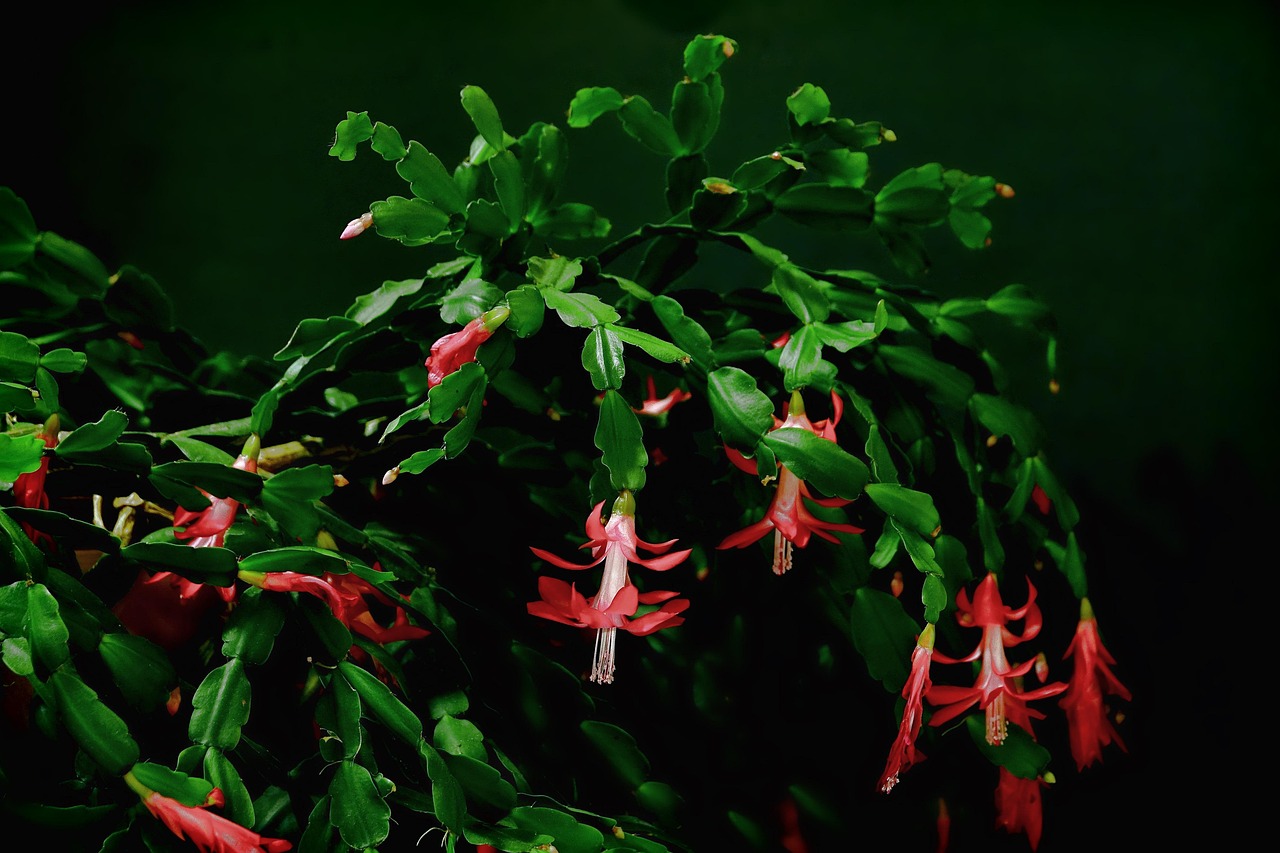
A Christmas cactus covered in colorful flowers can make a home feel instantly more festive. While poinsettias often get most of the attention during the holidays, few houseplants are as rewarding as a healthy Christmas cactus bursting into bloom just as December celebrations begin.
The tricky part is timing.
A Christmas cactus does not simply notice that Christmas is approaching and decide to flower. Blooming is triggered by changes in light, temperature, and growing conditions. If the plant continues receiving long days, warm nights, and regular feeding throughout autumn, it may stay green and healthy without producing many buds.
Fortunately, encouraging holiday flowers is easier than it sounds once you understand what the plant needs.
If you are wondering how to make a Christmas cactus bloom for Christmas, the secret is to begin preparing it several weeks before the holidays. Cooler temperatures, longer periods of darkness, careful watering, and a little patience can encourage your plant to produce the buds you have been waiting for.
Why Isn’t My Christmas Cactus Blooming?
Before trying to force your Christmas cactus into bloom, it helps to understand why flowering sometimes fails.
Christmas cactus belongs to the genus Schlumbergera. Unlike desert cacti that thrive under blazing sunshine and extremely dry conditions, these plants developed in humid forest environments in Brazil, where they often grow among tree branches and rocky crevices.
Their flowering cycle responds strongly to seasonal changes.
Several common problems can prevent blooming:
- Too much light during the evening
- Warm nighttime temperatures
- Excess fertilizer late in the growing season
- Keeping the soil constantly wet
- Allowing the plant to become severely dry
- Not providing a fall rest period
- Sudden environmental changes after flower buds appear
A Christmas cactus may look perfectly healthy while experiencing one or more of these conditions.
The goal during autumn is not to push the plant into vigorous leafy growth. Instead, you want to gently signal that the growing season is changing.
When Should You Start Preparing a Christmas Cactus for Christmas Blooms?
Timing is one of the most important parts of getting flowers for the holidays.
Christmas cactus typically needs several weeks of suitable conditions before visible flower buds develop. Starting approximately six to eight weeks before you want flowers gives the plant a reasonable opportunity to begin its blooming cycle.
For Christmas flowers, October is often an excellent time to begin making changes.
Your exact timing may vary depending on the plant, variety, room temperature, and growing conditions.
Do not worry if the plant refuses to follow the calendar perfectly. Living plants are not holiday decorations controlled by a timer. One Christmas cactus may bloom early in December, while another might open its flowers closer to New Year.
Providing the correct conditions gives you the best chance of having flowers during the holiday season.
1. Give Your Christmas Cactus Longer Nights
One of the strongest signals for bud formation is a longer period of uninterrupted darkness.
During autumn, try to give your Christmas cactus approximately 12 to 14 hours of darkness each night.
That does not necessarily mean you must hide the plant in a closet every evening.
A room that naturally becomes dark after sunset may work perfectly well. However, artificial lighting can interfere with the plant’s perception of night.
A Christmas cactus sitting beside a lamp that stays on until midnight may receive more light than you realize.
Where Can You Put It at Night?
Consider placing the plant in:
- A spare bedroom where lights are rarely used
- A naturally dark guest room
- A cool room with limited evening lighting
- An area where curtains can block nearby artificial light
Another option is covering the plant in the evening with a breathable, light-blocking cover and removing it in the morning.
Consistency matters more than perfection.
Try to maintain the longer-night routine for several weeks while buds are forming.
2. Keep the Plant Slightly Cooler
Darkness is only part of the flowering equation.
Christmas cactus also responds well to cooler autumn temperatures.
If possible, keep your plant around 55°F to 65°F (13°C to 18°C) during the bud-forming period, particularly at night.
You do not need to turn your home into a refrigerator. Simply moving the plant away from consistently hot rooms can help.
Avoid placing it directly beside:
- Heating vents
- Radiators
- Fireplaces
- Space heaters
- Hot kitchen appliances
A naturally cooler room can be surprisingly effective.
Cooler conditions combined with longer nights help mimic the seasonal cues that encourage flower bud formation.
3. Reduce Watering Slightly
Christmas cactus should never be treated exactly like a desert cactus, but reducing water slightly during its autumn rest can encourage blooming.
Allow the upper portion of the potting mix to begin drying before watering again.
Check the soil with your finger rather than following a strict calendar.
If the top inch or so feels dry, it may be time to water.
When watering, moisten the soil thoroughly and allow excess water to drain from the bottom of the container.
Never leave the pot sitting in a saucer filled with water.
Should You Let a Christmas Cactus Completely Dry Out?
No.
There is a difference between allowing the soil to become slightly dry and leaving the plant bone-dry for a long period.
Extreme drought can stress the plant and may cause segments or developing buds to fall.
Aim for moderation:
slightly drier than during active summer growth, but never severely dehydrated.
4. Stop Fertilizing Before Bud Formation
Autumn is generally not the time to encourage a Christmas cactus to produce lots of fresh green growth.
If you have been feeding regularly during spring and summer, begin reducing or stopping fertilizer as the plant enters its fall resting period.
Constant feeding can encourage vegetative growth when you want the plant to focus on producing flowers.
Once flowering has finished and active growth eventually resumes, you can return to an appropriate feeding routine.
More fertilizer does not automatically mean more flowers.
Sometimes the best thing you can give a Christmas cactus is simply a break.
5. Provide Bright, Indirect Light During the Day
Long nights do not mean your Christmas cactus should spend the entire day in darkness.
During daylight hours, give it plenty of bright, indirect light.
An east-facing window can work beautifully because the plant receives gentle morning light without being exposed to intense afternoon sunshine.
Filtered light near another bright window can also work.
Can a Christmas Cactus Take Direct Sun?
Some gentle sunlight is usually fine, especially during cooler months.
However, intense direct sun through a hot window can stress or scorch the flattened stem segments.
Look for bright light rather than harsh heat.
During the blooming preparation period, think of the routine this way:
Bright days. Long dark nights. Cooler temperatures. Moderate water.
That combination is much more useful than any special blooming trick.
6. Watch Closely for Tiny Flower Buds
After several weeks of favorable conditions, examine the tips of the plant’s stem segments.
Tiny developing buds may begin appearing.
At first, they can be easy to overlook.
Once you notice flower buds, you have reached an important stage.
The plant no longer needs quite the same strict treatment used to initiate flowering. You can gradually return it to its usual display location, but avoid making dramatic changes.
This is where many Christmas cactus owners accidentally lose buds.
7. Keep Conditions Stable After Buds Appear
Imagine spending weeks convincing your Christmas cactus that conditions are perfect for reproduction and then suddenly moving it from a cool room into a hot, dry spot next to a radiator.
The plant may not appreciate the surprise.
Once buds have formed, stability becomes important.
Try to avoid sudden changes in:
- Temperature
- Light exposure
- Watering
- Humidity
- Location
Keep the plant away from cold drafts and blasts of hot air.
Continue checking the soil regularly and water when needed.
A plant covered in developing flowers may require somewhat more consistent moisture than it did during its earlier resting period.
8. Increase Humidity If Your Home Is Very Dry
Christmas cactus is native to environments that are more humid than the conditions found in many heated homes during winter.
You do not need tropical-jungle humidity, but extremely dry indoor air can make plant care more challenging.
If your home becomes particularly dry during winter, you could place a humidifier nearby or group compatible houseplants together.
A pebble tray may provide limited localized humidity, although it will not dramatically change the humidity of an entire room.
More important than misting constantly is protecting the plant from hot, drying air coming directly from heating systems.
9. Don’t Rush to Repot It Before Christmas
You may be tempted to give your Christmas cactus a beautiful new pot just before its holiday performance.
Unless the plant has a genuine problem, autumn is usually not the ideal moment for unnecessary disturbance.
Christmas cactus can tolerate being somewhat snug in its container and does not require frequent repotting.
Repotting can disturb roots and create additional stress just when you are trying to encourage flowering.
If the plant genuinely needs a larger container, it is often easier to tackle that job after flowering or during an appropriate period of active growth.
For now, let it concentrate on making flowers.
What Should You Do When the Christmas Cactus Starts Flowering?
Once those first flowers begin opening, move from bloom-inducing care to bloom-preserving care.
Continue giving the plant bright, indirect light and reasonably cool indoor temperatures.
Check moisture regularly because flowering plants should not be allowed to become severely dry.
Avoid leaving the roots waterlogged.
And most importantly, enjoy it.
Christmas cactus flowers do not last forever, which is exactly what makes the display feel special.
Depending on the variety, blooms may appear in shades of:
- Pink
- Red
- White
- Salmon
- Orange
- Purple
A mature plant covered with flowers can become one of the most beautiful decorations in the house without needing a single ornament.
Can You Make a Christmas Cactus Bloom Again?
Sometimes.
Under suitable conditions, some Schlumbergera plants may produce another flush of flowers later in the season.
After the first display finishes, remove faded blooms and continue giving the plant appropriate care.
A combination of cooler temperatures and suitable day length may encourage additional buds.
However, do not be disappointed if your plant blooms only once.
Its flowering schedule can vary from year to year.
Is Your “Christmas Cactus” Actually a Thanksgiving Cactus?
There is another reason your Christmas cactus might insist on blooming before Christmas.
It may actually be a Thanksgiving cactus.
Several closely related Schlumbergera plants are sold during the holiday season, and the names are often mixed up.
Thanksgiving cactus commonly flowers earlier and usually has more pointed, tooth-like edges along its stem segments.
A true Christmas cactus generally has smoother, more rounded edges.
This distinction matters mainly for timing.
If your plant consistently flowers in November despite receiving excellent care, you may not be doing anything wrong. The plant could simply be following its natural flowering schedule.
Quick Christmas Cactus Blooming Checklist
If Christmas is approaching and you want the best chance of holiday flowers, remember these essentials:
- Start six to eight weeks ahead of your desired bloom period.
- Provide approximately 12 to 14 hours of uninterrupted darkness each night.
- Keep nighttime temperatures relatively cool when possible.
- Give bright, indirect light during the day.
- Reduce watering slightly during the early resting period.
- Avoid heavy fertilizing while trying to initiate buds.
- Watch for tiny buds forming at the tips of the segments.
- Keep temperature, moisture, and lighting stable once buds appear.
- Protect the plant from hot vents and cold drafts.
- Be patient if flowering happens a little earlier or later than Christmas.
How Do You Make a Christmas Cactus Bloom for Christmas?
There is no single magic ingredient.
Getting a Christmas cactus to bloom is mostly about giving the plant the seasonal signals it has been waiting for.
As autumn progresses, provide longer nights, cooler temperatures, bright daytime light, slightly reduced watering, and a break from fertilizer. After buds appear, shift your attention toward keeping its environment comfortable and consistent.
Begin early enough, and those plain green branches may gradually become covered with tiny buds.
Then, just as winter settles in and Christmas draws closer, those buds begin to open.
That is part of the charm of growing a Christmas cactus.
The flowers are not something you simply bring home from the store and place on a table. They are something you patiently encourage for weeks.
And when a plant you have cared for suddenly covers itself in bright blooms during the darkest part of the year, it feels like a small Christmas gift all its own.