
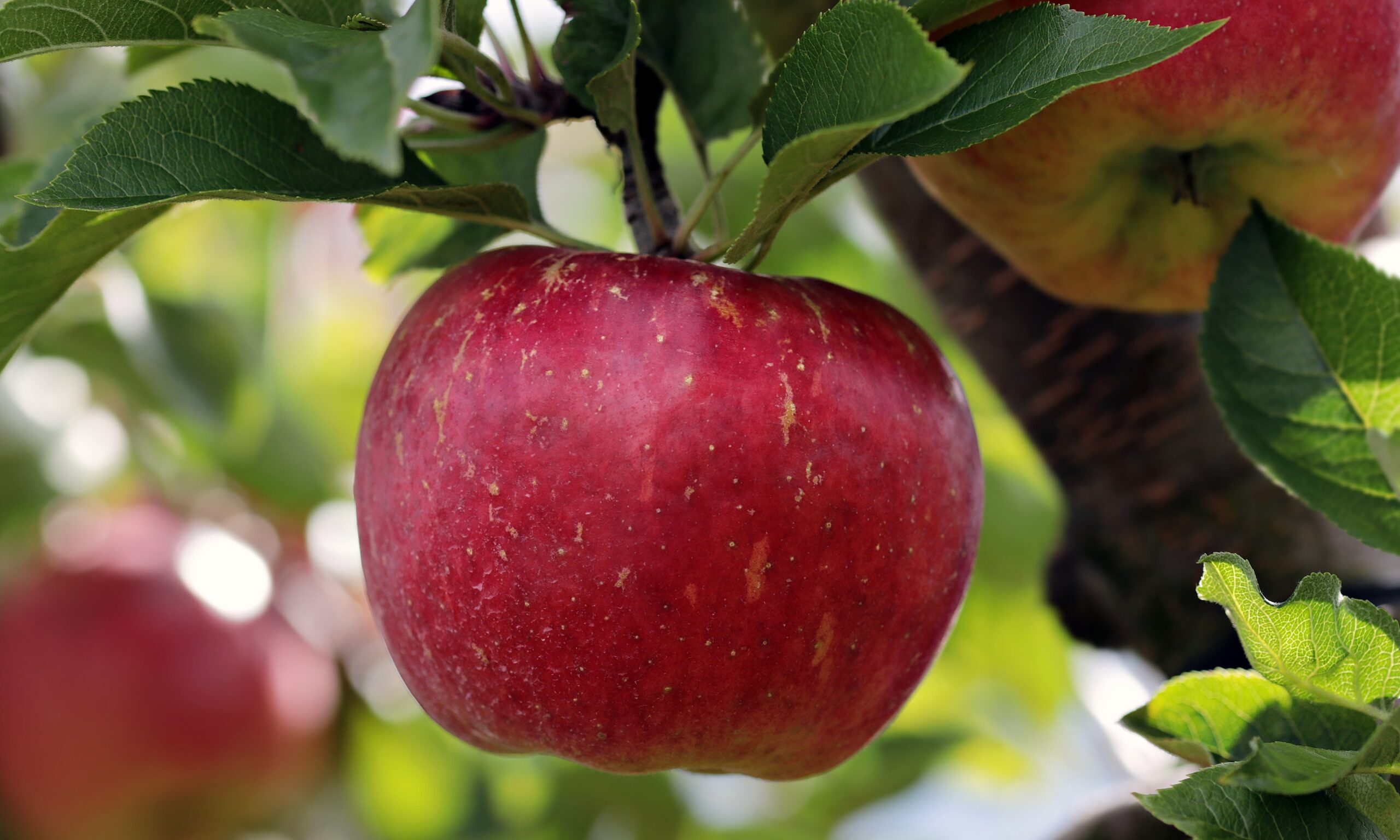
Few garden projects are as rewarding as planting an apple tree. At first, it may look like nothing more than a young trunk with a handful of branches. Give it the right start, however, and that small tree can become a beautiful part of the landscape, producing crisp, flavorful apples for many seasons.
Apple trees are not especially difficult to grow, but they do appreciate careful planning. The variety you choose, the amount of sunlight the tree receives, soil drainage, pollination, pruning, watering, and ongoing care can all influence how well it performs.
Whether you dream of fresh apples picked straight from the branch, homemade apple pie, cider, or simply a flowering tree buzzing with pollinators each spring, learning how to plant and grow an apple tree for years of delicious fruit is well worth the effort.
Choosing the Right Apple Tree
Success begins before you ever dig a planting hole. Apple varieties differ greatly in flavor, mature size, climate needs, disease resistance, and harvest time.
Before buying a tree, consider how much room you have and how you plan to use the fruit.
Standard, Semi-Dwarf, or Dwarf Apple Tree?
Apple trees are commonly sold according to the rootstock on which they are grown. Rootstock affects the eventual size of the tree as well as how quickly it may begin producing fruit.
Dwarf apple trees are excellent for small yards. They remain relatively compact and are easier to prune, spray, and harvest.
Semi-dwarf apple trees offer a useful middle ground. They grow larger than dwarf trees but are still manageable in many home landscapes.
Standard apple trees can become substantial shade trees and require much more room. They are best suited to large gardens, orchards, and properties where space is not limited.
Check the expected mature height and spread before planting rather than judging the tree by its size at the nursery.
Does an Apple Tree Need Another Tree for Pollination?
In many cases, yes.
Most apple varieties produce their best crops when pollen is transferred from a compatible apple variety flowering at approximately the same time.
That means planting only one tree may result in fewer apples, depending on the variety.
If possible, grow two compatible apple trees nearby. Flowering crabapples can also help pollinate many apple varieties when their bloom periods overlap.
When purchasing your tree, check its pollination requirements carefully. Some varieties may be partially self-fertile, but even these can often produce more fruit when another compatible apple is nearby.
Where Should You Plant an Apple Tree?
Location has a major influence on fruit production.
Apple trees perform best when they receive plenty of direct sunlight. Choose an open area where the tree will not eventually become shaded by buildings or larger trees.
For strong growth and reliable fruit production, aim for at least six hours of direct sunlight per day, with additional sunlight being beneficial.
Avoid planting in a low spot where water remains after rain. Apple roots need oxygen as well as moisture, and constantly saturated soil can cause serious problems.
A good planting location should offer:
- Plenty of direct sunlight
- Well-draining soil
- Enough room for the tree’s mature canopy
- Good air circulation
- Easy access for watering and maintenance
- Space away from underground pipes and structures
Remember that the young tree you bring home will eventually become considerably wider.
What Type of Soil Is Best for Apple Trees?
Apple trees adapt to several soil types, but they perform particularly well in fertile, well-drained soil.
Loamy soil is ideal because it holds useful moisture without remaining waterlogged. Heavy clay may need improved drainage, while extremely sandy soil can dry quickly and may require additional organic matter.
Before planting, it can be helpful to test the soil. Apple trees generally prefer soil that is slightly acidic to near neutral.
Instead of filling the planting hole with large amounts of rich compost or fertilizer, improve the surrounding garden soil when necessary. You want the roots to expand outward rather than remain confined to a highly amended pocket.
When Is the Best Time to Plant an Apple Tree?
The ideal planting season depends partly on your climate and whether you are planting a bare-root or container-grown tree.
In many regions, apple trees are planted during dormancy in late winter or early spring, once the soil can be worked.
Fall planting can also be successful in suitable climates because cooler temperatures allow roots to begin establishing before the following growing season.
Bare-root trees should be planted while dormant and before strong new growth begins.
Container-grown trees provide greater flexibility but should still be planted during mild weather whenever possible. Avoid planting during extreme heat or when the ground is frozen.
How to Plant an Apple Tree Step by Step
A carefully planted tree has a much better chance of developing a strong root system.
1. Water the Tree Before Planting
If you have purchased a container-grown apple tree, water it thoroughly before removing it from its pot.
Bare-root trees may benefit from having their roots soaked briefly before planting if recommended by the nursery.
Never allow bare roots to dry out.
2. Dig a Wide Planting Hole
Dig a hole approximately two to three times wider than the root system or root ball.
The hole should not be unnecessarily deep.
One of the most common mistakes gardeners make is planting fruit trees too deeply. The root flare—the point where the trunk begins widening into the roots—should remain at or slightly above the surrounding soil level.
3. Inspect the Roots
Remove the tree carefully from its container.
If roots are circling tightly around the root ball, loosen them gently so they can begin growing outward.
For a bare-root tree, spread the roots naturally inside the planting hole without bending or forcing them.
4. Position the Tree Correctly
Place the tree in the center of the hole and check its depth before replacing the soil.
For grafted apple trees, the graft union should remain above the soil level. Burying the graft can interfere with the benefits of the rootstock.
Take a moment to look at the tree from several directions and make sure it stands upright.
5. Backfill With Soil
Return the original soil around the roots gradually.
Gently firm the soil with your hands as you work to remove large air pockets, but avoid compacting it heavily.
Once the hole has been filled, water the planting area slowly and deeply.
6. Add Mulch
Spread a layer of organic mulch around the tree.
Wood chips, shredded bark, or similar organic materials can help conserve moisture, suppress weeds, and protect the soil from extreme temperature fluctuations.
Keep mulch several inches away from the trunk.
Piling mulch against the bark creates unnecessary moisture around the trunk and can encourage decay.
How Often Should You Water a Newly Planted Apple Tree?
Young apple trees need consistent moisture while they establish their roots.
During the first growing season, check the soil regularly rather than following a rigid watering schedule.
Water deeply enough to moisten the root zone, then allow the upper portion of the soil to begin drying before watering again.
Shallow watering encourages roots to remain close to the surface. Deep, less frequent watering usually promotes stronger root development.
Hot, windy, or dry weather may increase the tree’s water needs.
At the same time, avoid keeping the soil constantly wet.
Should You Fertilize an Apple Tree?
More fertilizer does not automatically mean more apples.
Young apple trees need balanced growth, and excessive nitrogen can produce long, leafy shoots while delaying or reducing fruit production.
A soil test is the most reliable way to determine whether nutrients are lacking.
Organic matter added around—not directly against—the tree can gradually improve soil conditions.
If fertilizer is required, apply an appropriate product according to soil conditions, tree age, and label instructions rather than feeding heavily without knowing what the tree needs.
How to Prune an Apple Tree
Pruning is one of the most important long-term jobs when growing apples.
A well-pruned apple tree allows sunlight and air to reach the interior canopy while keeping branches strong enough to support developing fruit.
Late winter or early spring, while the tree is dormant, is a common time for major pruning in many climates.
When pruning, concentrate on removing:
- Dead branches
- Broken or damaged wood
- Branches rubbing against one another
- Shoots growing directly inward
- Weak growth
- Excessively crowded branches
- Water sprouts when appropriate
Avoid removing too much of the canopy at once.
Young apple trees should be trained gradually to develop a strong framework of branches. Poor pruning early in the tree’s life can create structural problems later.
Why Should You Thin Young Apples?
Seeing a branch covered with tiny apples is exciting, but allowing every fruit to mature is not always beneficial.
Heavy crops can result in many smaller apples and place excessive strain on young branches.
Fruit thinning involves removing some developing apples while they are still small.
A practical approach is to leave the strongest fruit with adequate space between individual apples.
Thinning can help:
- Produce larger fruit
- Reduce pressure on branches
- Improve airflow
- Encourage more consistent cropping
- Remove damaged or poorly formed fruit early
Some apple trees naturally drop part of their immature crop, but additional thinning may still be useful when fruit clusters remain crowded.
How Do You Protect Apple Trees From Pests and Diseases?
Apple trees can attract several insects and diseases, but prevention begins with good garden care.
Avoid allowing rotten fruit and diseased leaves to accumulate beneath the tree. Removing fallen material can reduce places where certain pests and diseases survive.
Good pruning also improves air circulation, helping foliage dry more quickly after rain.
Inspect your tree regularly.
Look for:
- Unusual leaf spots
- Damaged fruit
- Holes or chewing damage
- Curled or distorted leaves
- Dead branch tips
- Changes in bark
- Signs of insects or eggs
Identifying a problem early usually gives you more options for dealing with it.
Whenever possible, choose apple varieties known for good disease resistance in your local climate.
How Long Does It Take an Apple Tree to Produce Fruit?
Patience is part of growing fruit trees.
How quickly an apple tree begins producing depends largely on the variety, rootstock, age at planting, climate, and growing conditions.
Dwarf and semi-dwarf trees often begin fruiting sooner than full-sized standard trees.
It can be tempting to encourage a newly planted tree to produce immediately, but establishing strong roots and branches is more important during its early years.
A healthy structure today can support much larger harvests later.
How Can You Tell When Apples Are Ready to Pick?
Not every apple ripens at the same time. Some varieties mature in summer, while others are ready in fall.
Color can provide clues, but it should not be the only sign you use.
A ripe apple often separates fairly easily when lifted gently and twisted.
You can also cut open a sample fruit. Mature seeds frequently become darker as the apple approaches harvest.
Most importantly, taste it.
An apple may look beautiful but still need additional time to develop its characteristic sweetness, acidity, and texture.
Common Apple Tree Growing Mistakes to Avoid
Even experienced gardeners occasionally make mistakes. Fortunately, many common problems are easy to prevent.
Avoid these habits:
- Planting the tree too deeply
- Choosing a shaded location
- Ignoring pollination requirements
- Overwatering poorly drained soil
- Applying excessive fertilizer
- Allowing branches to become overcrowded
- Leaving damaged fruit and diseased debris around the tree
- Piling mulch against the trunk
- Failing to consider the mature size of the tree
- Expecting a large harvest immediately after planting
Good fruit-tree care is usually about consistency rather than complicated techniques.
Growing an Apple Tree Is a Long-Term Garden Reward
Learning how to plant and grow an apple tree for years of delicious fruit begins with one important idea: give the tree the conditions it needs from the start.
Choose a suitable variety, provide plenty of sunlight, plant at the correct depth, keep young roots consistently watered, and prune thoughtfully as the tree matures. Pay attention to pollination, pests, disease, and fruit load rather than waiting until problems become severe.
An apple tree is not a quick seasonal crop. It is an investment in future harvests.
With proper care, the small tree you plant today can eventually become the place where spring blossoms attract bees, summer branches fill with developing fruit, and autumn afternoons end with freshly picked apples in your hands.
And perhaps that is the best part of growing an apple tree: each harvest becomes a reminder that something planted years ago can continue giving back season after season.